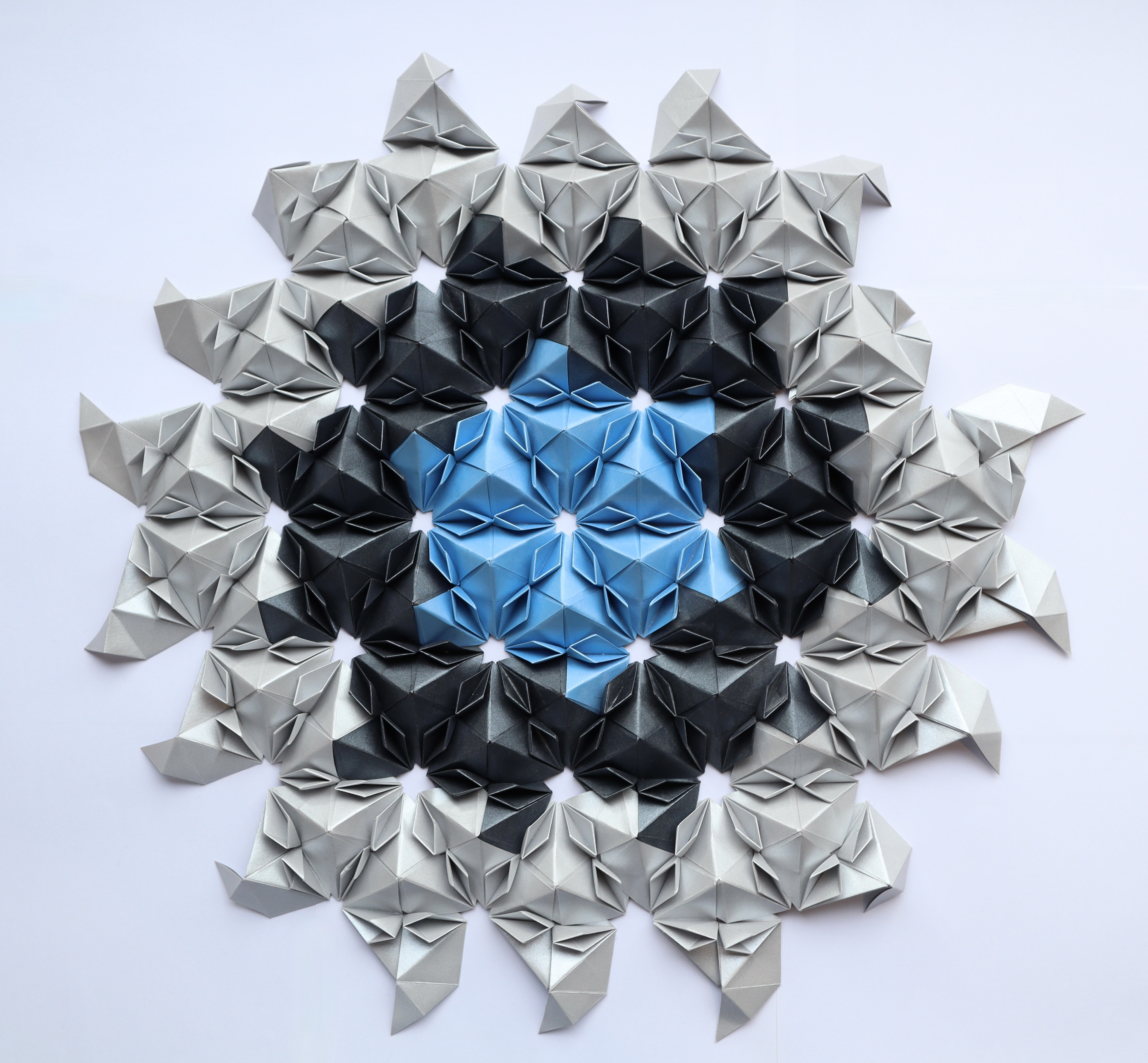
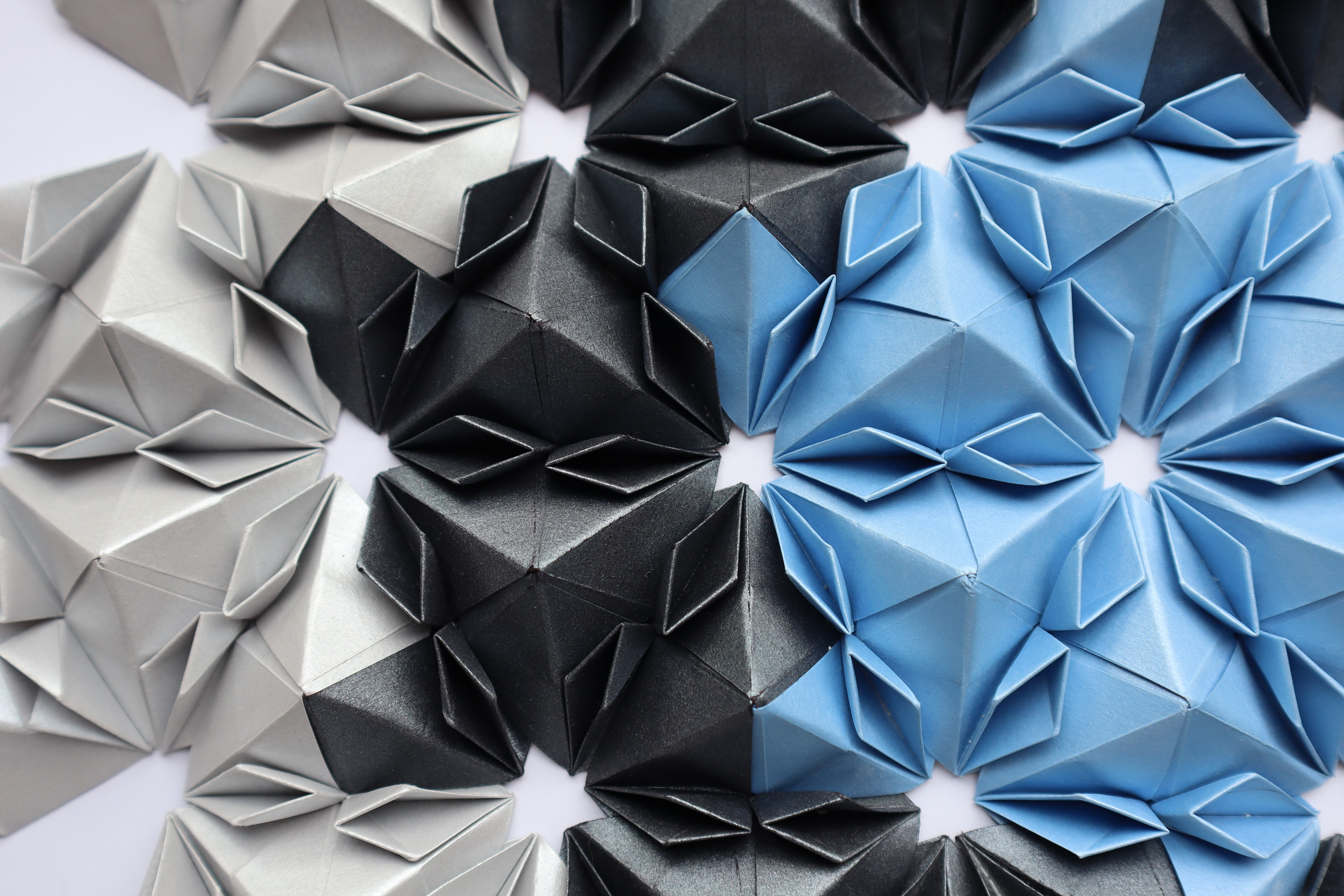
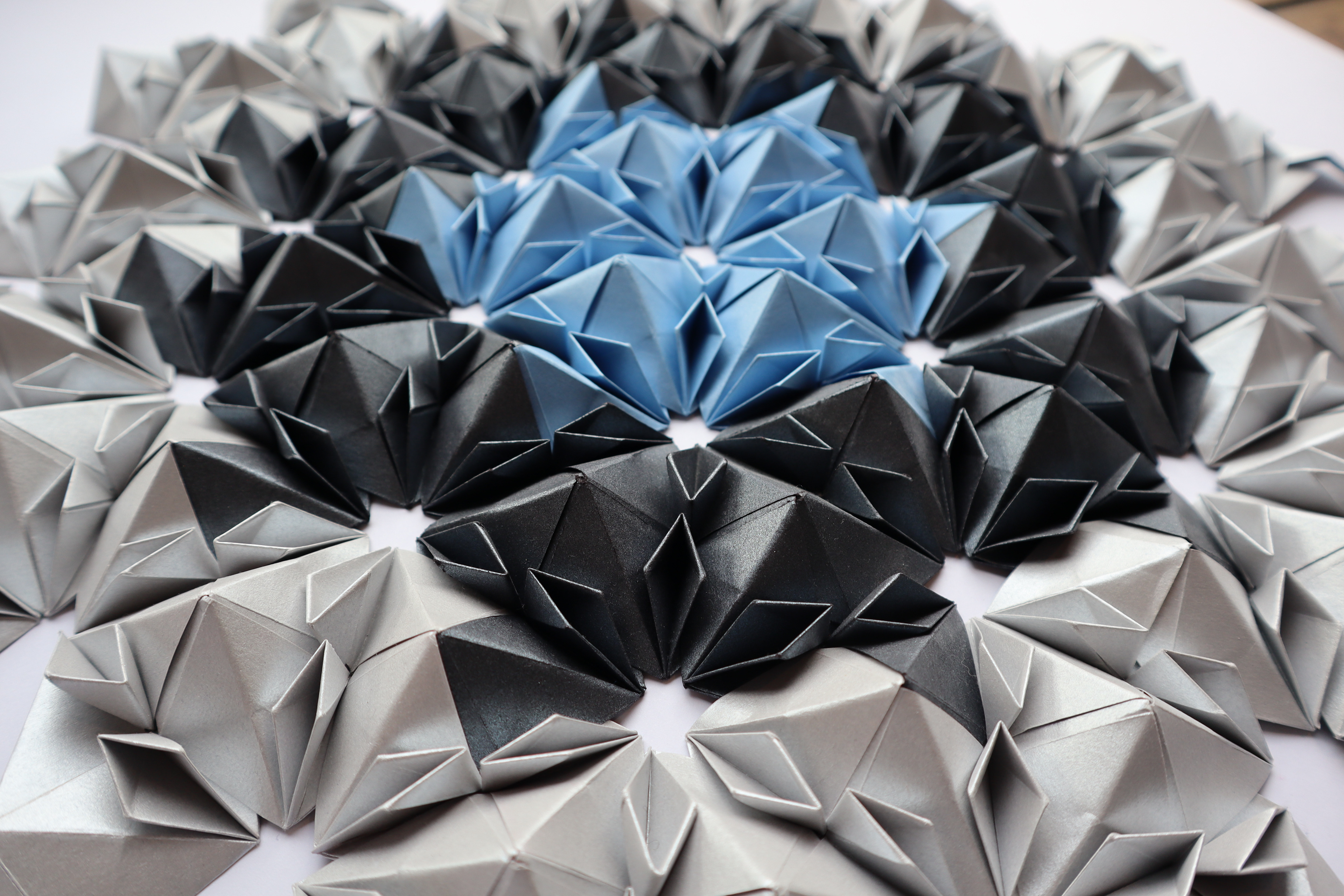
Origami has been a true creative journey for me since I first began practicing it. Early on, I discovered its qualities, advantages, and potential, which helped me develop patience, precision, and creativity. Folding a sheet of paper requires following a logical sequence of steps, anticipating outcomes, and understanding how a flat surface can be transformed into volume. That same spatial reasoning is what I later found in architecture: the ability to imagine, project, and build
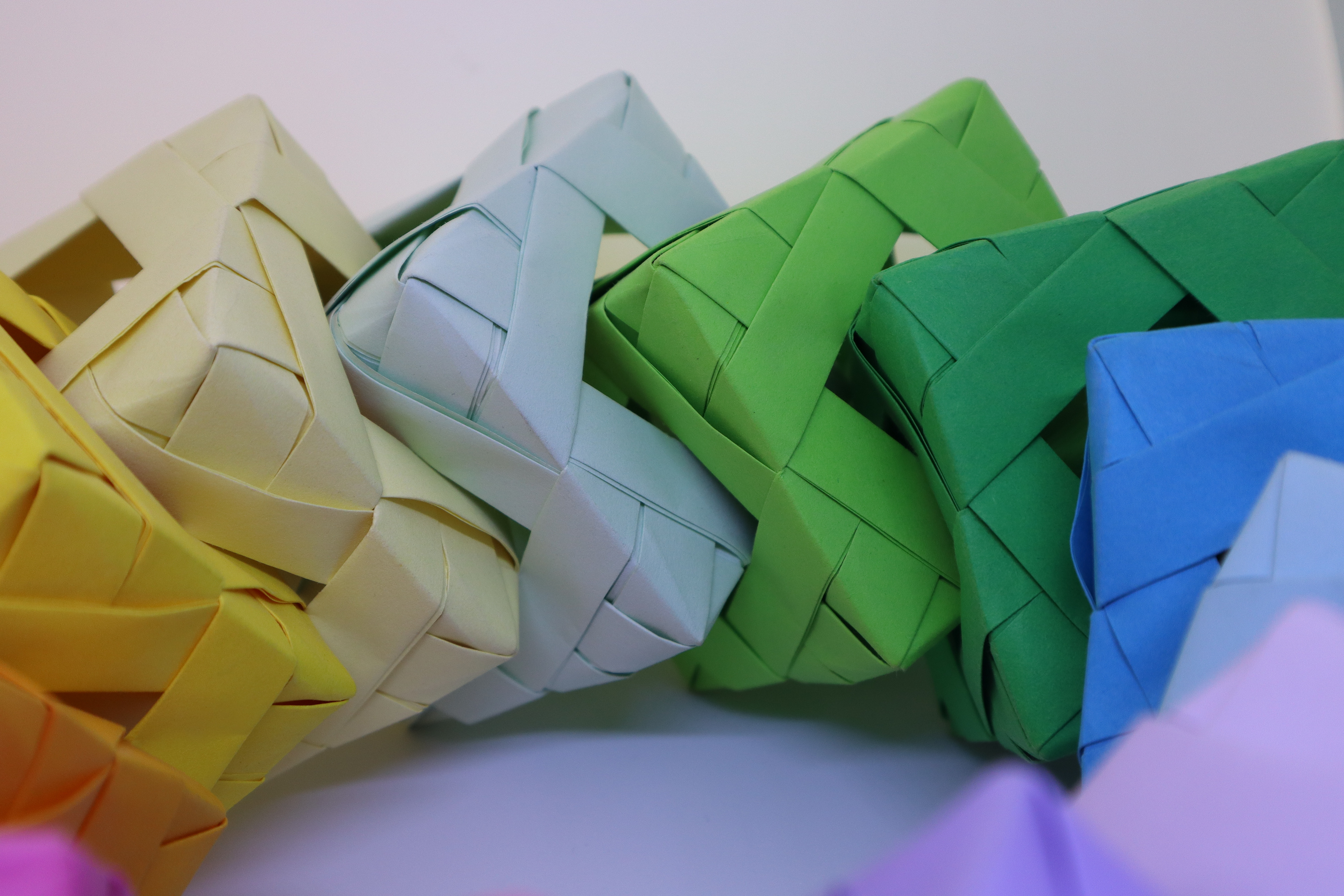
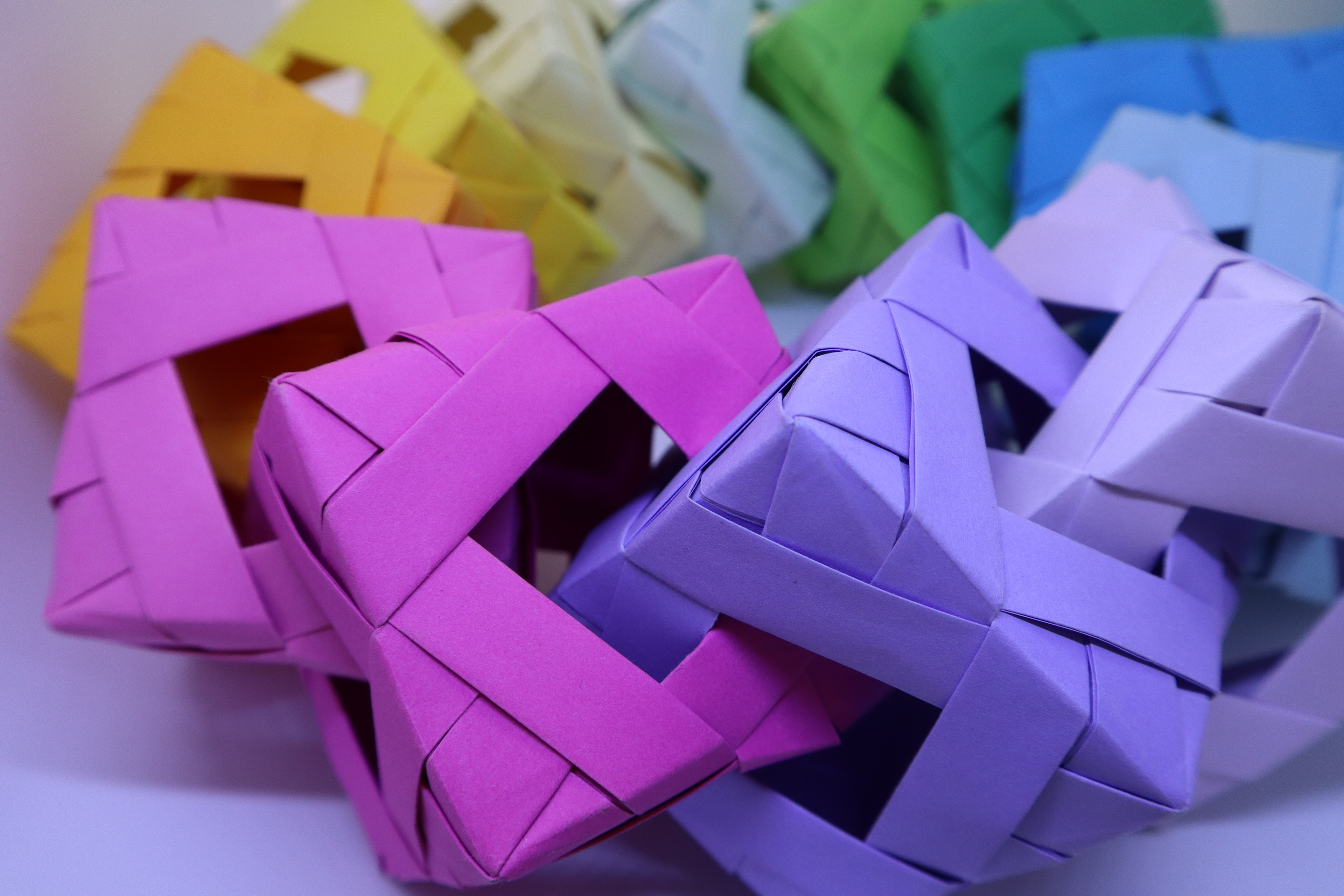
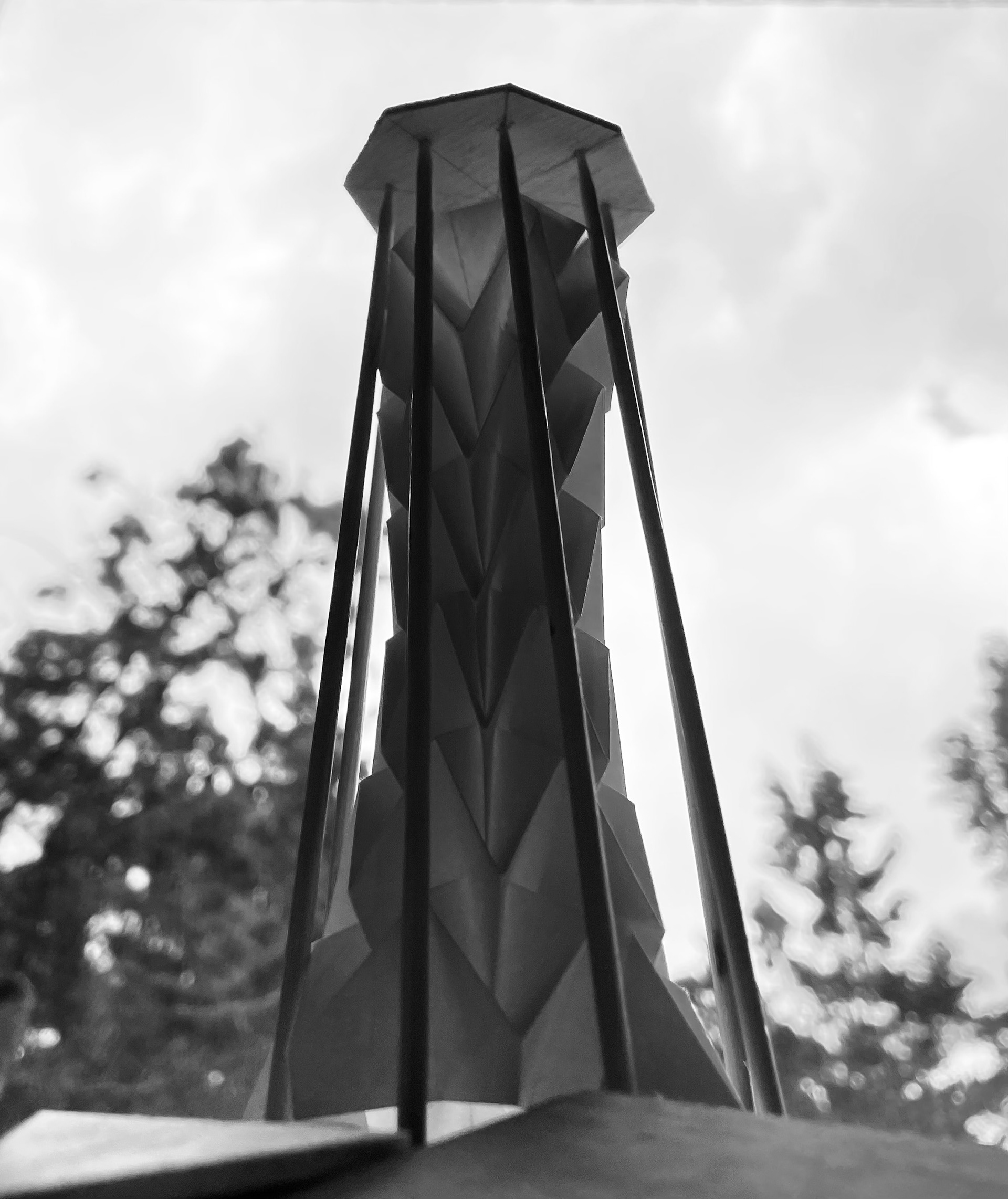
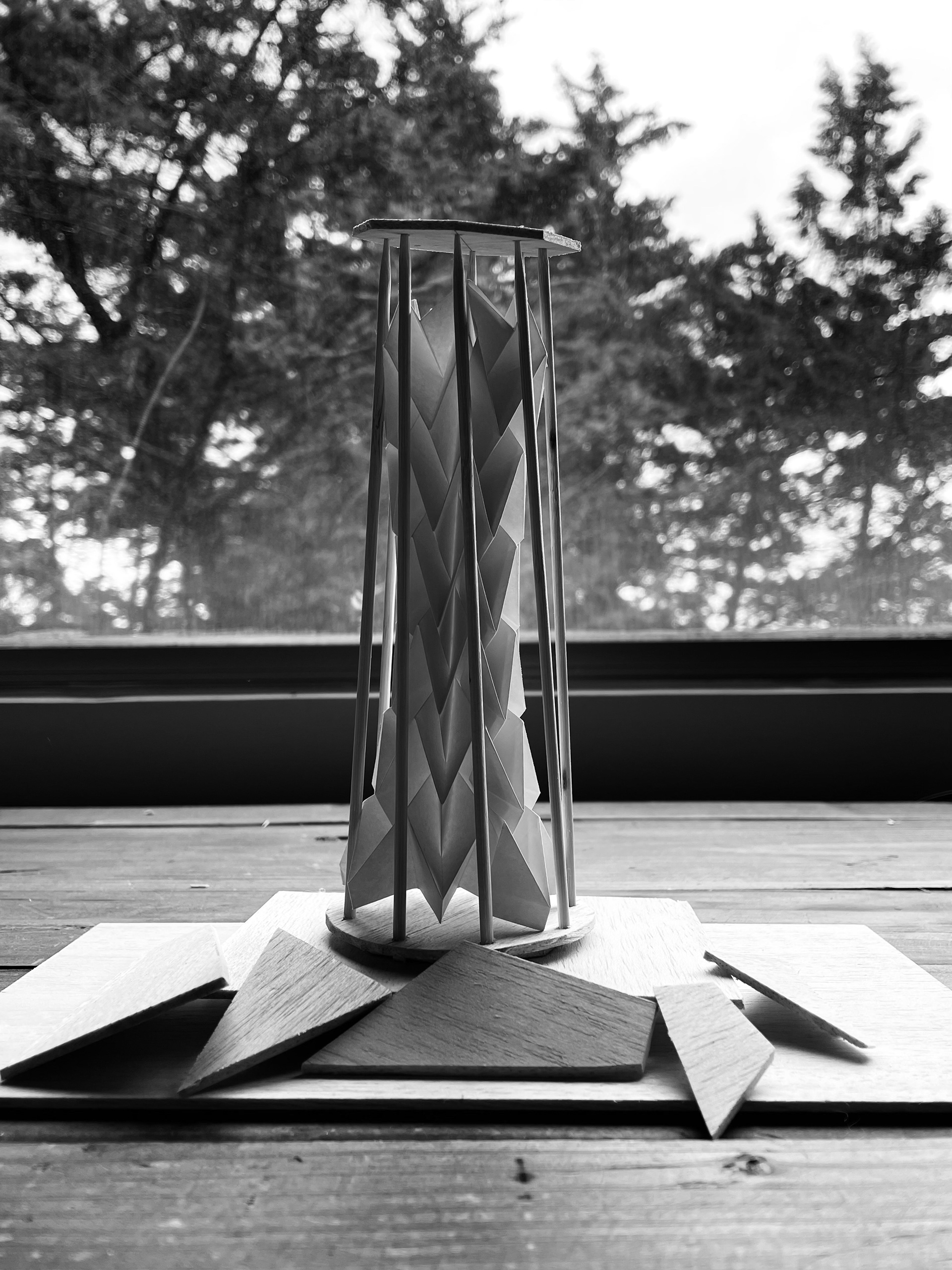
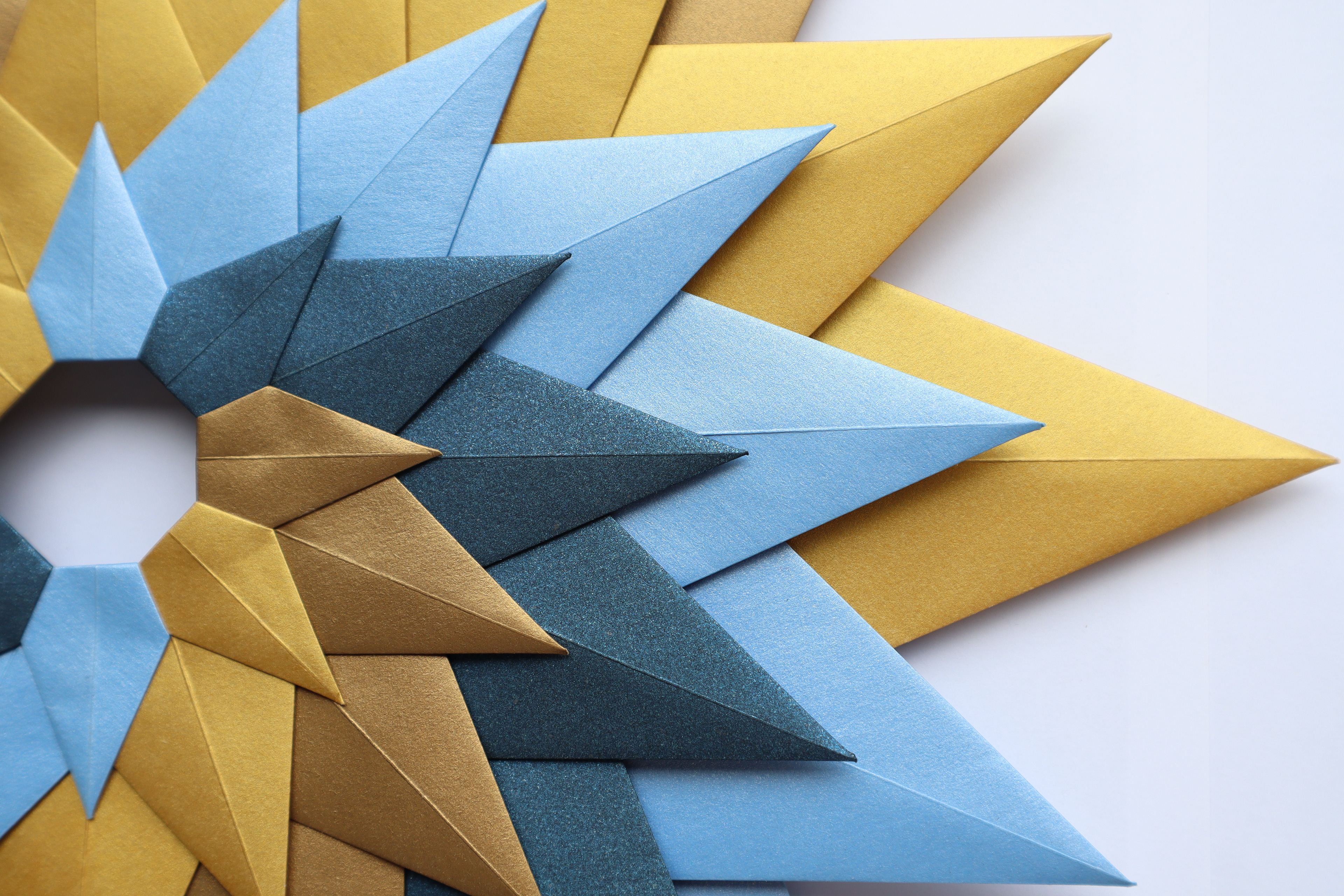
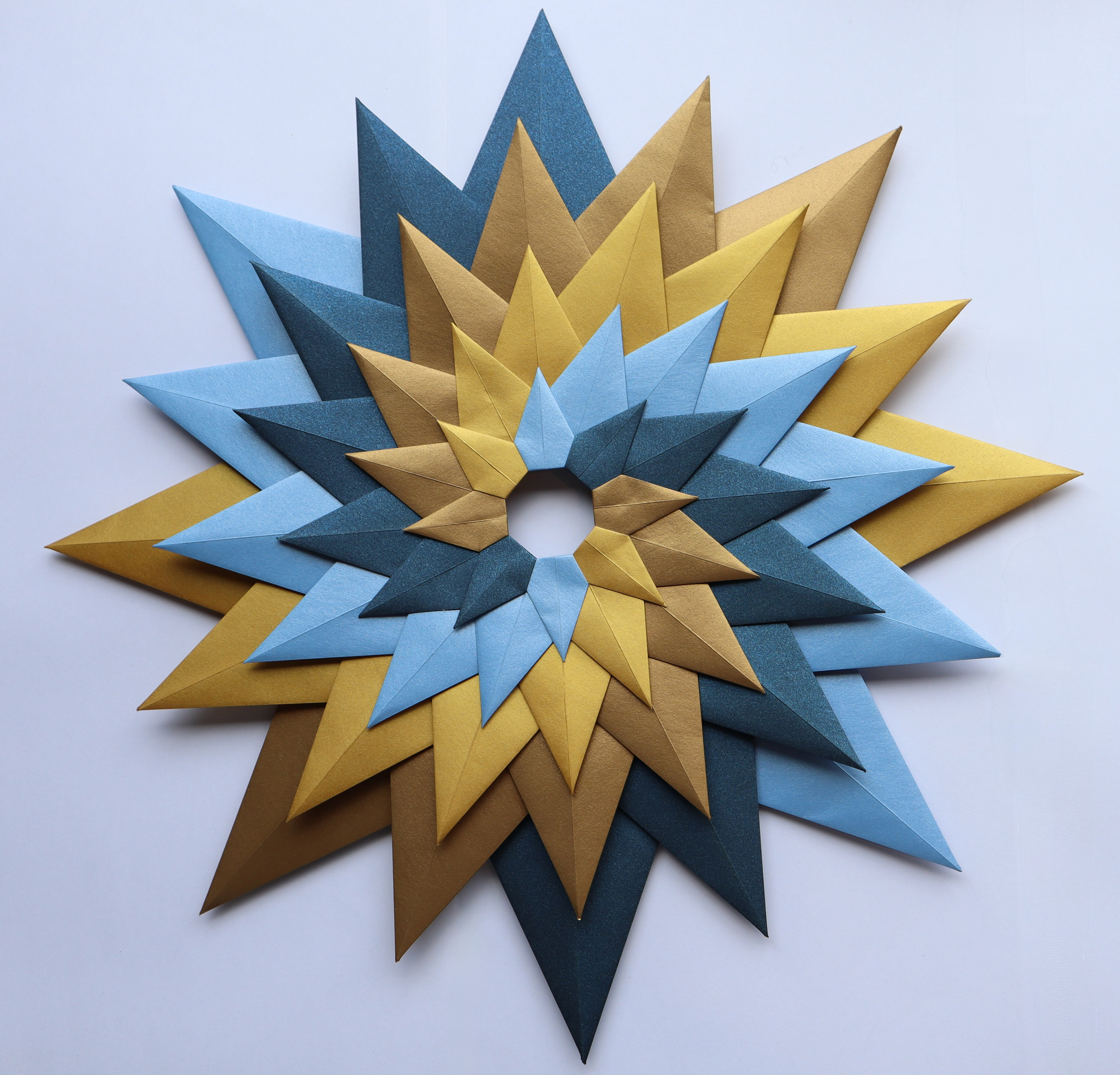
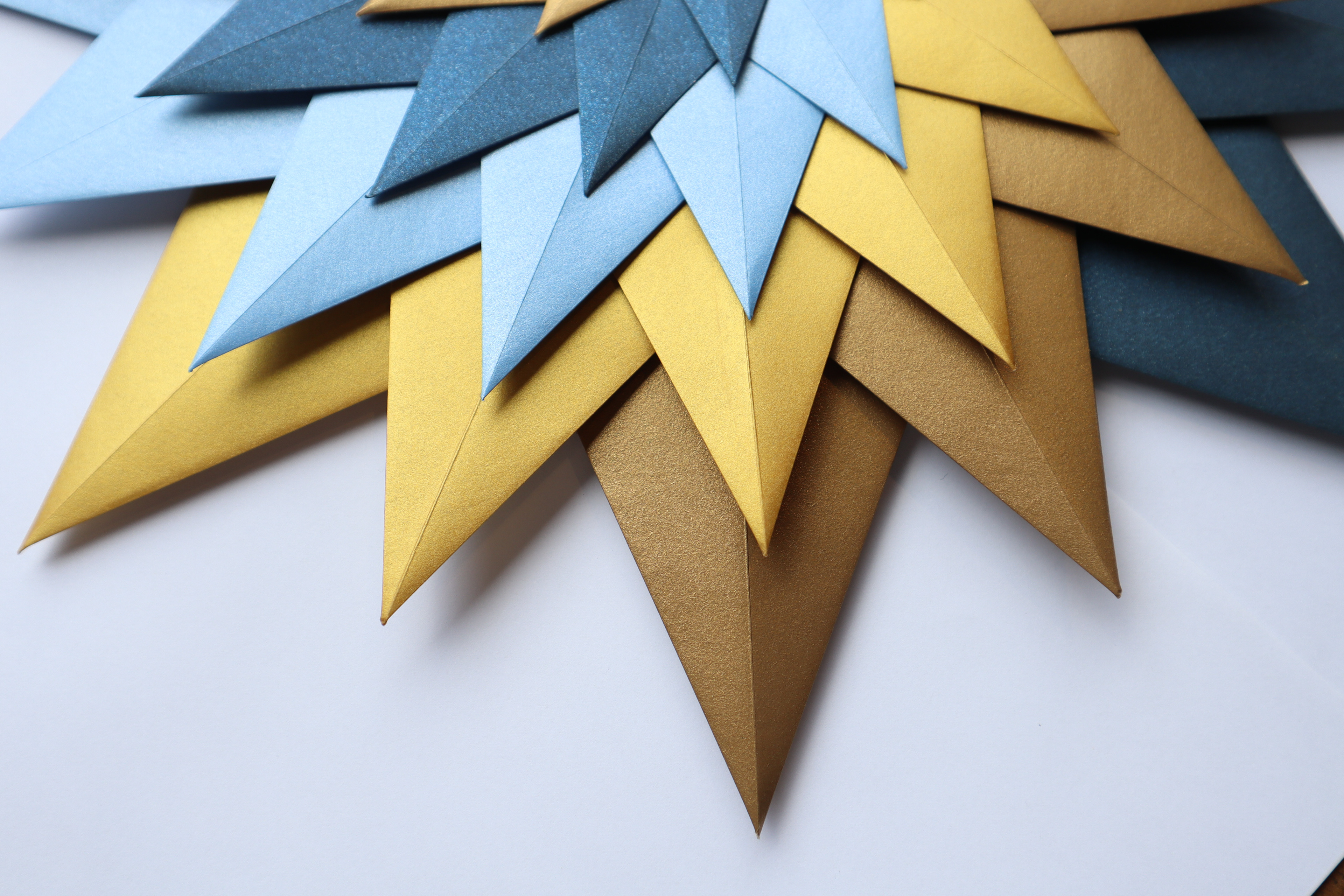
Over time, my practice of origami has evolved from simple exercises to increasingly complex explorations. I started with free-form figures, which allowed me to understand the dynamics of folds and how paper responds to gesture. Later, I explored modular structures, where multiple pieces assemble into three-dimensional compositions that demand coordination, precision, and spatial vision. Eventually, I reached tessellations, a geometric exercise in which a single sheet becomes a continuous and highly complex pattern. While these stages represent important milestones, my journey in origami has gone beyond these categories, becoming a constant space for exploring form, geometry, and creativity. On more than one occasion, these explorations have been reflected in architectural projects, where sequential thinking and the logic of folds have inspired new ways of designing and solving.
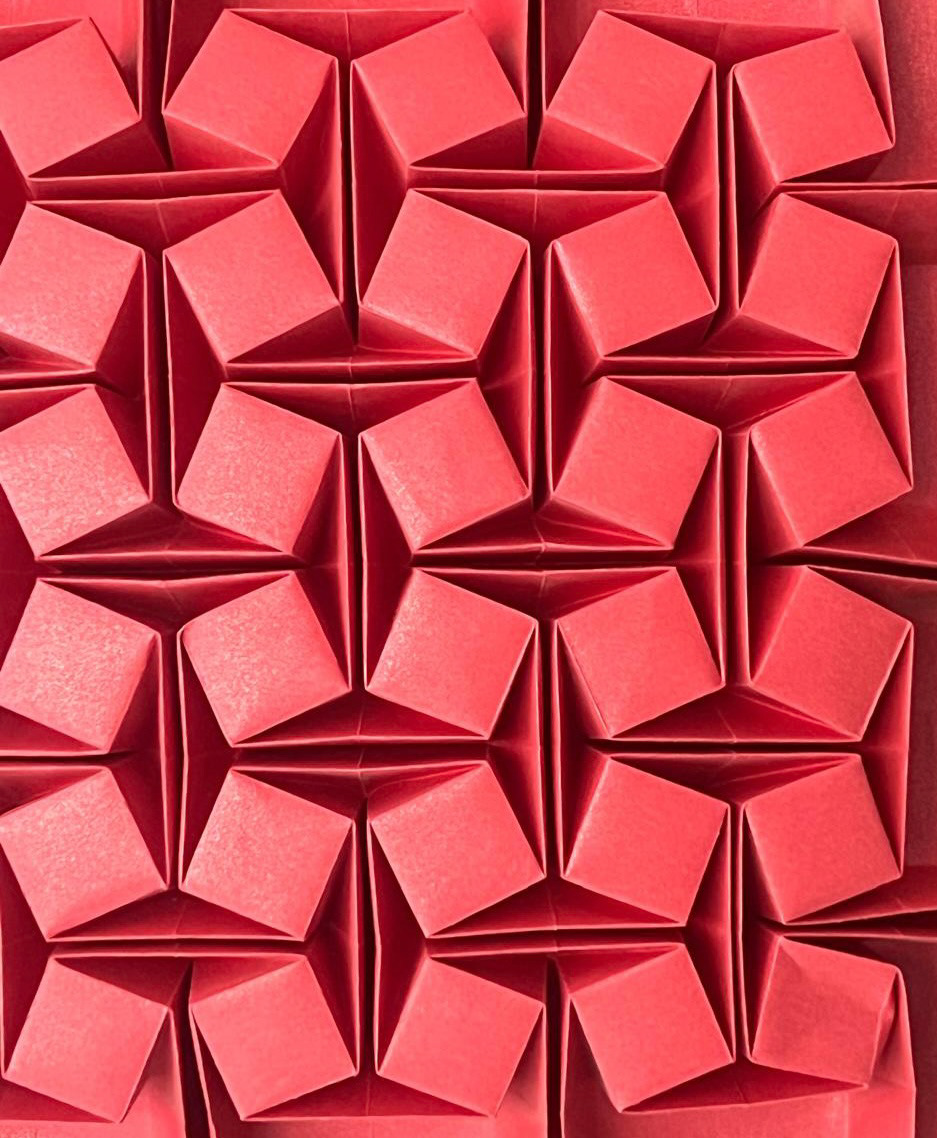
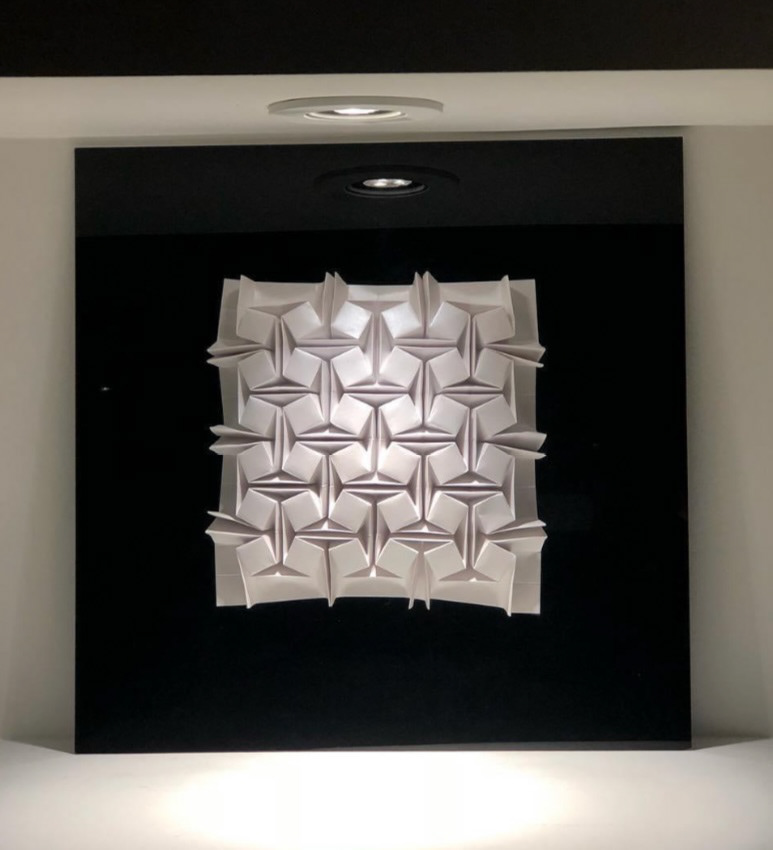
Today, origami represents for me a bridge between the artistic and the technical. It is a practice that has taught me to work with rigor, but also to appreciate the beauty of process and the importance of detail. In a simple sheet of paper, I find endless possibilities, just as in life every decision or fold opens new paths. This way of seeing has shaped me as both a person and an architect, constantly reminding me that every great construction begins with a simple gesture.
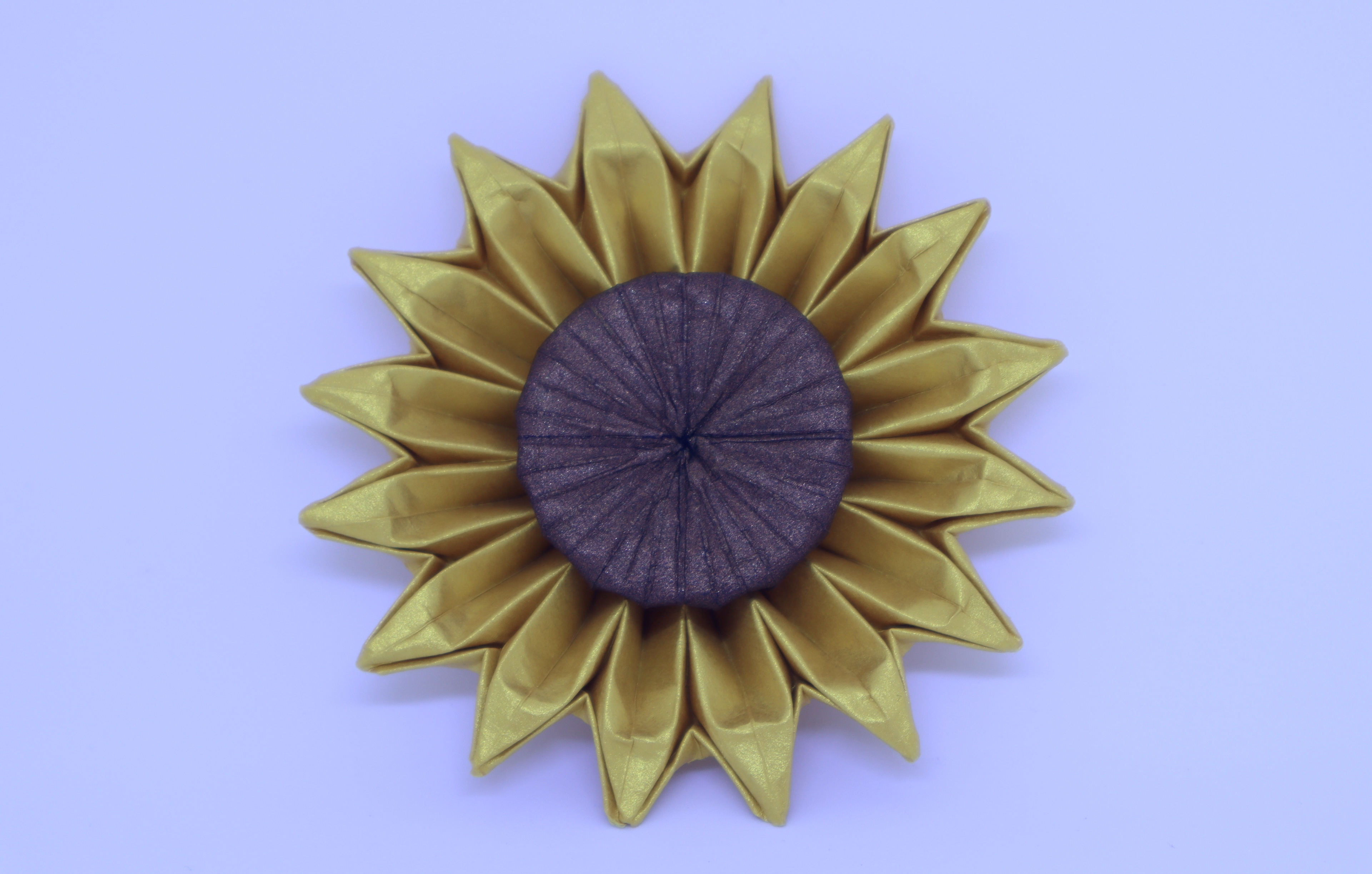
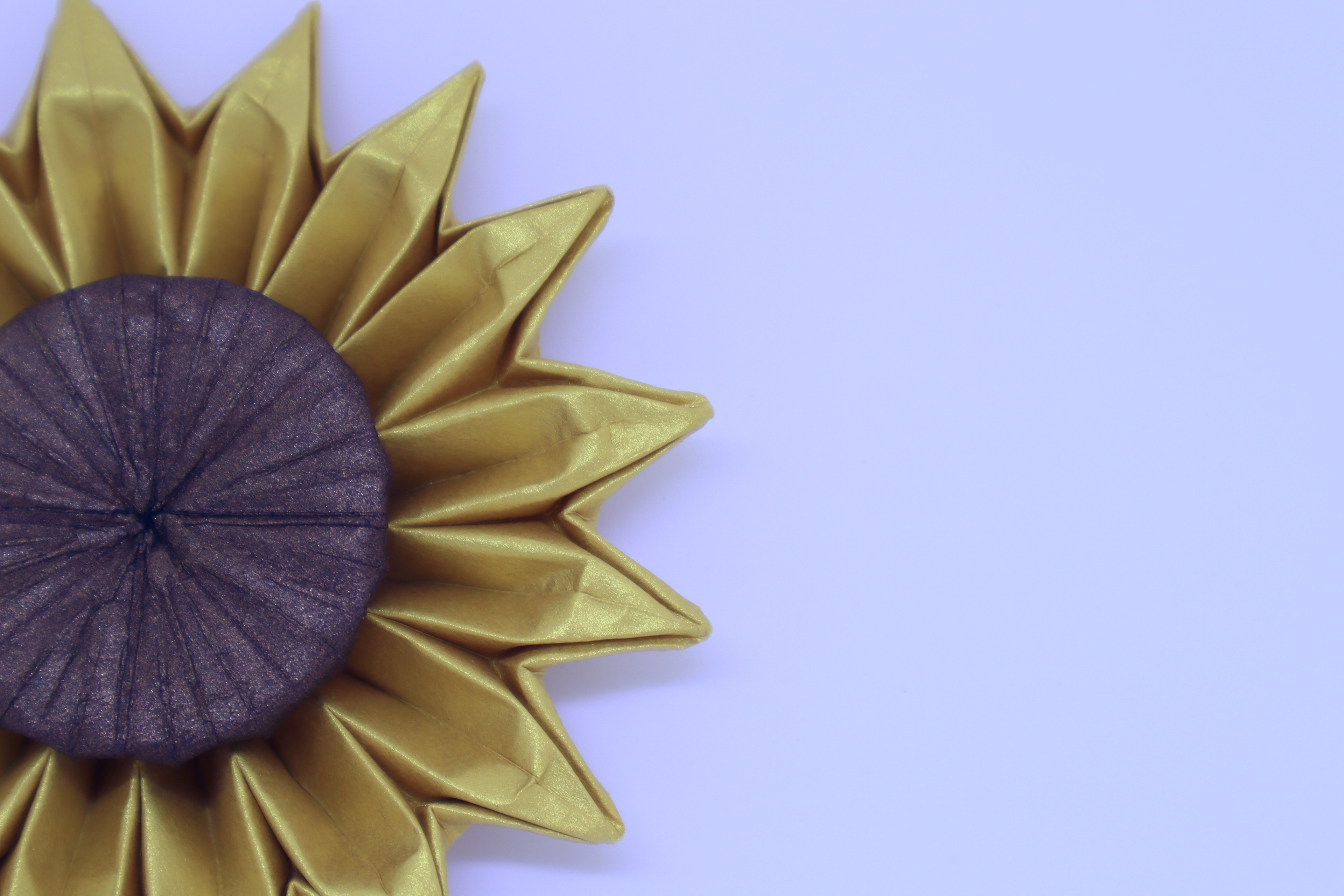
ILUSTRATION